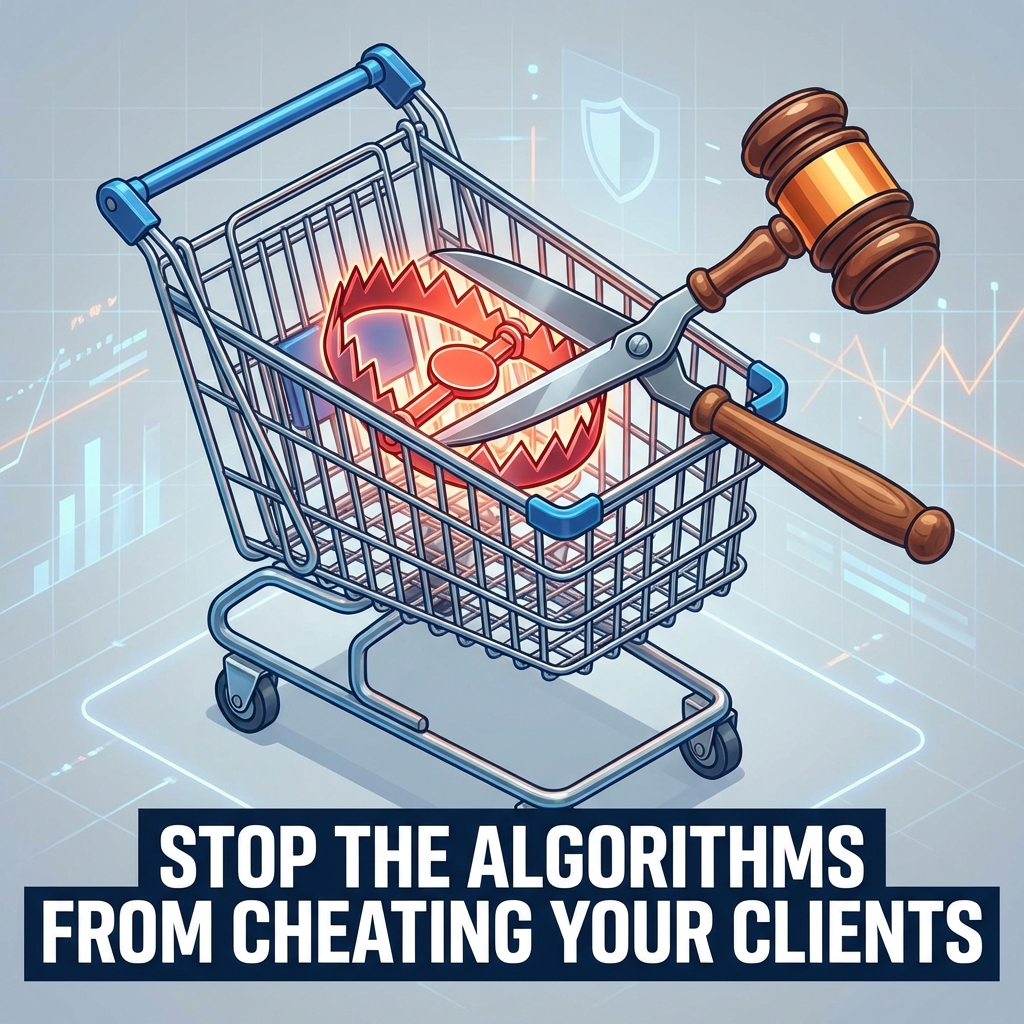
Have you ever tried to cancel a subscription, only to discover that the “Cancel” button is hidden behind five screens? Or noticed a countdown timer that resets every time you refresh the page? These are not accidents. In 2026, regulators and consumer commissions increasingly recognize these designs as dark patterns: interfaces built to push consumers into decisions they would not make with clear information and fair choice.
As a legal team, we are seeing two parallel realities:
- Consumers are more aware and more willing to complain.
- Platforms are using AI and personalization to make manipulation harder to detect (because it varies by user).
What Are Dark Patterns? (Simple Definition)
Dark patterns are design tricks that distort user choice. They can appear in apps, websites, and even customer support flows. Common examples include:
- Subscription traps: easy to join, hard to cancel.
- False urgency: “Only 2 left” or timers that are not genuine.
- Forced action: asking for permissions or data not needed for the transaction.
- Bait and switch: a button does one thing but is labeled like it does another.
- Hidden costs: fees revealed only at the last step.
- Confirmshaming: guilt-inducing language to stop you from opting out.
How AI Makes Dark Patterns Worse
AI-driven personalization can turn a general dark pattern into a targeted one. Two users may see different prices, different “limited stock” cues, or different upsell nudges. That is why evidence collection in 2026 must be smarter than one screenshot.
The Legal Framework (High-Level)
India’s consumer protection framework allows action against unfair trade practices, misleading representations, and manipulative conduct. Regulators have also issued guidance focused on dark patterns, and consumer commissions are increasingly comfortable with digital evidence.
In plain terms: if the design is misleading, coercive, or materially affects a consumer’s decision, it can trigger liability.
How to Build a Strong Complaint: Evidence That Wins
Most consumer matters fail because the story is unclear or the evidence is thin. Here’s what we recommend:
- Screen recordings: record the entire flow (sign-up to cancellation attempt). This captures the “trap.”
- Order summary and payment proof: invoices, UPI/credit card confirmations, and bank SMS/email.
- Emails and chats: customer support refusals, automated replies, and ticket IDs.
- Terms shown at the time: take screenshots of the plan terms, cancellation policy, and pricing screen.
- Timeline note: write a simple chronology (date, time, action, outcome). Judges love timelines.
Where to File: Practical Options
1. E-Daakhil (Online Filing)
Consumers can file complaints online through the e-filing system for consumer commissions. It reduces physical visits and helps you submit documents in an organized way. If you are a lawyer, structure the complaint cleanly: facts, deficiency/unfair practice, evidence list, and relief.
2. Consumer helplines and regulator channels
For some issues, initiating a complaint through official channels can also pressure a faster settlement. Use these strategically, but keep your evidence ready.
Relief to Ask For (Don’t Undersell the Case)
- refund of amount paid (with interest where justified),
- compensation for mental harassment and inconvenience (fact-dependent),
- direction to discontinue the unfair practice,
- correction of misleading representations.
How MyAdvoMate Helps Consumer Matters (Evidence + Workflow)
Consumer disputes are evidence-driven and timeline-driven. The work becomes easier when you have a single matter file with clean chronology, recordings, screenshots, and drafts. Tools like MyAdvoMate (myadvomate.com) help legal teams store evidence case-wise, draft faster with templates, and maintain clear follow-ups, so the complaint is filed quickly and correctly.
Frequently Asked Questions
Is every “annoying UX” a dark pattern?
No. The key is whether the design is misleading, coercive, or materially interferes with consumer choice. Context and evidence matter.
What if the company changes the screen later?
That is exactly why screen recordings and dated evidence (emails, invoices, tickets) are important. Capture proof as soon as you notice the problem.
Conclusion
In 2026, dark patterns are a real consumer law battleground. The winning strategy is disciplined evidence, a clear timeline, and a cleanly drafted complaint. If you want a better workflow for handling documentation-heavy consumer matters, explore myadvomate.com.
Disclaimer: This article is for general informational purposes only and does not constitute legal advice.